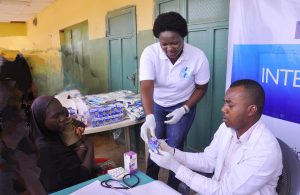
Nurturing the Future – The Critical Role of Maternal and Child Health
Your Doctor, Just a Tap Away

Maternal and child health is a cornerstone of public health that shapes the foundation of every society. When mothers and children thrive, communities flourish. Unfortunately, in many parts of the world, including some regions of Nigeria, inadequate access to proper prenatal, delivery, and postnatal care continues to put lives at risk. Addressing maternal and child health is not just a healthcare issue—it’s a moral imperative and a socio-economic necessity.
The Importance of Maternal Health
Maternal health refers to the health of women during pregnancy, childbirth, and the postnatal period. Ensuring women receive quality care at each stage not only reduces the risk of complications and death but also ensures better outcomes for their babies. Antenatal care helps detect and manage potential risks early, while skilled birth attendance and postnatal follow-up can significantly decrease maternal mortality rates. Access to nutritional support, vaccinations, and education on birth preparedness all contribute to a safer journey through motherhood.
Supporting Child Health from Day One
Child health starts before birth. A mother’s health, nutrition, and habits directly affect fetal development. Once born, children require vaccinations, regular check-ups, proper nutrition, and a clean environment to thrive. The first 1,000 days—from conception to age two—are especially critical for cognitive and physical development. Preventing malnutrition, managing infectious diseases, and ensuring mental stimulation are key areas of focus in improving child survival and development rates.
Challenges in Nigeria’s Maternal and Child Health Landscape
Despite improvements in recent years, Nigeria still faces significant challenges in maternal and child health. Limited access to skilled healthcare professionals, particularly in rural areas, weak health infrastructure, cultural barriers, and inadequate public health funding continue to affect outcomes. Maternal mortality remains high, and too many children under five still suffer from preventable conditions like pneumonia, diarrhea, and malaria.
Technology as a Bridge to Better Health
Innovative health platforms like Quick Clinic are transforming how maternal and child health services are delivered. By connecting mothers with experienced healthcare providers through virtual consultations, Quick Clinic helps reduce travel barriers and wait times while ensuring women get timely and professional medical advice. Access to licensed consultants, digital prescriptions, and secure health records empowers mothers to make informed decisions and stay on top of their health and their children’s well-being.
Empowering Mothers through Education
Education plays a pivotal role in improving maternal and child health. When women are informed about their rights, warning signs during pregnancy, breastfeeding practices, child nutrition, and hygiene, they are better equipped to protect their families. Quick Clinic’s growing repository of health education materials and its easy access to professional advice can help reduce harmful practices and promote evidence-based care in every household.
The Role of Community and Policy
Government support, local engagement, and community participation are also essential. Programs that provide incentives for antenatal visits, train midwives, and offer free or subsidized maternal care must be scaled and sustained. At the same time, families and communities must work together to dismantle myths, support new mothers, and ensure every child grows up in a nurturing environment.
Conclusion
Maternal and child health is more than a medical concern—it is a societal investment. By supporting mothers, safeguarding pregnancies, and nurturing children, we pave the way for a healthier, more resilient generation. Whether through traditional services or digital health innovations like Quick Clinic, our collective effort can make pregnancy safer and childhood healthier for every family, everywhere.
At Quick Clinic, we understand that navigating a virtual healthcare platform can raise a number of questions—whether you’re a first-time user or a returning member. That’s why we’ve put together this comprehensive FAQ section to address the most common inquiries from patients, medical consultants, and administrators.
Our goal is to ensure your experience is seamless, secure, and fully informed. From account setup and appointment booking to consultation processes, privacy, and technical support, you’ll find helpful answers to guide you every step of the way. We’ve tailored these responses to provide clear, concise, and professional insights that reflect our commitment to quality care and user satisfaction.
If your specific concern isn’t addressed here, don’t hesitate to reach out to our support team. We’re always here to help you get the most out of your Quick Clinic experience.